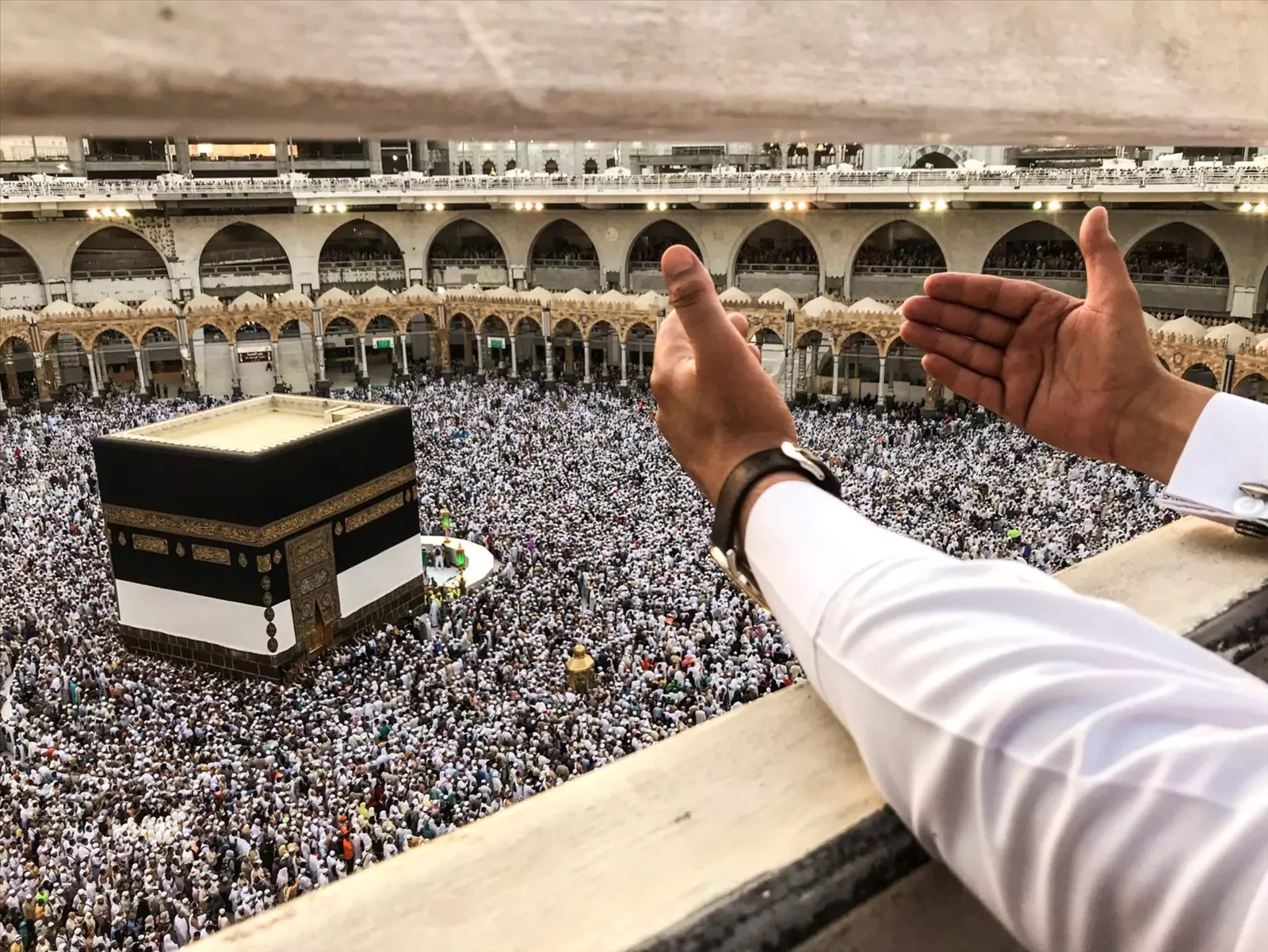
The Value of These Blessed Days
Allah Almighty swore by these days to highlight their honor and significance: {By the dawn, and ten nights, and the even and the odd} (Al-Fajr: 1-3).
Scholars have identified these nights as the first ten days of Dhu al-Hijjah due to their immense virtue. The Prophet ﷺ affirmed that good deeds performed during these days are better than in any other days. Ibn Abbas (RA) narrated:
"There are no days in which righteous deeds are more beloved to Allah than these ten days… except a man who goes out for Jihad with his self and wealth and returns with nothing."
Gathering of Core Acts of Worship
The first ten days of Dhu al-Hijjah bring together the pillars of worship: prayer, fasting, charity, and Hajj—acts not collectively found in any other days.
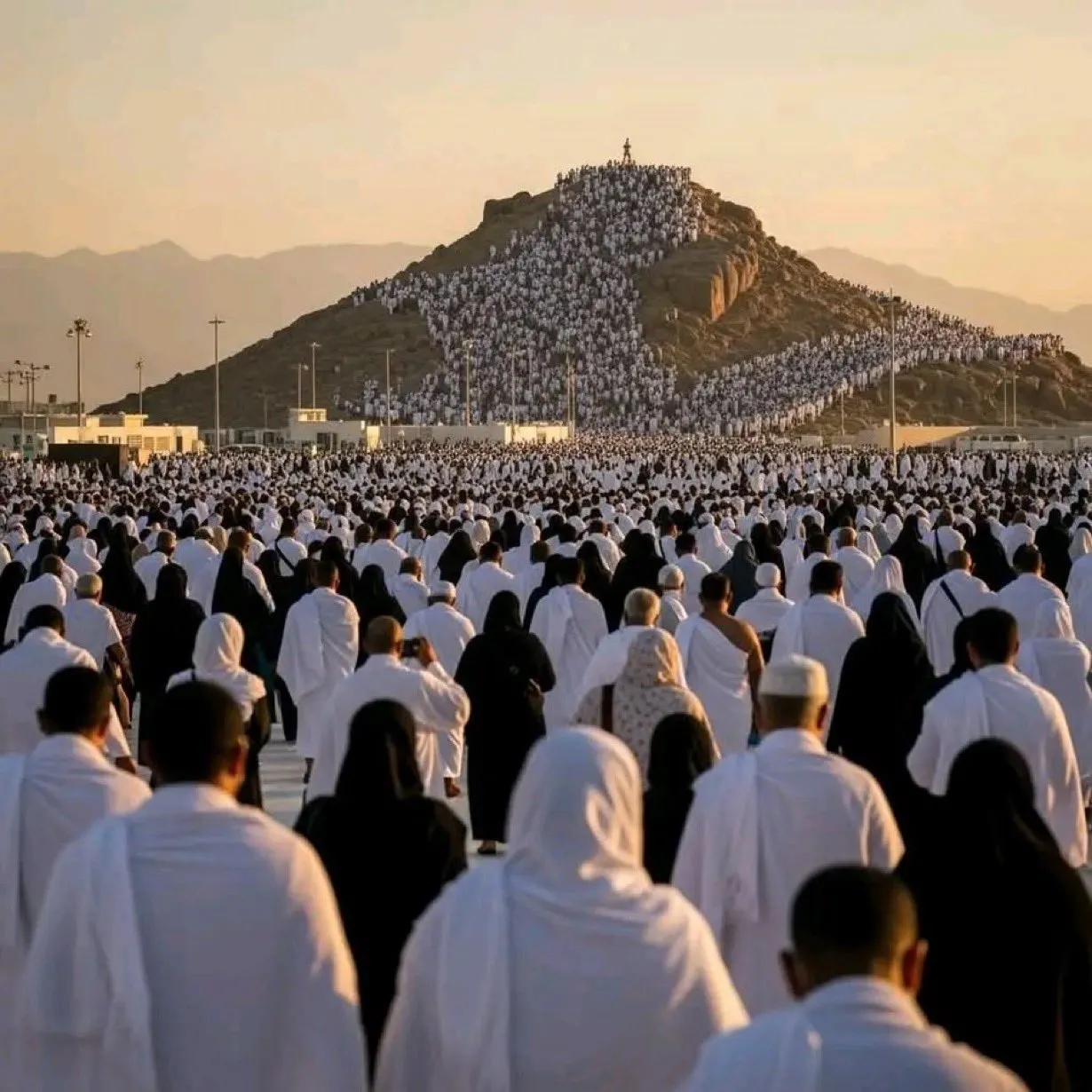
For example, the Day of Arafah is a day of forgiveness; fasting on it expiates two years of sins. On this day, Allah frees souls from Hell and responds to supplications, as narrated by Aisha (RA):
"There is no day on which Allah frees more servants from Hell than the Day of Arafah."
The Day of Sacrifice (Nahr) is the greatest day of the year in the sight of Allah, followed by the Day of Tashreeq, completing the blessings of these sacred days.
Hajj and Standing with Others
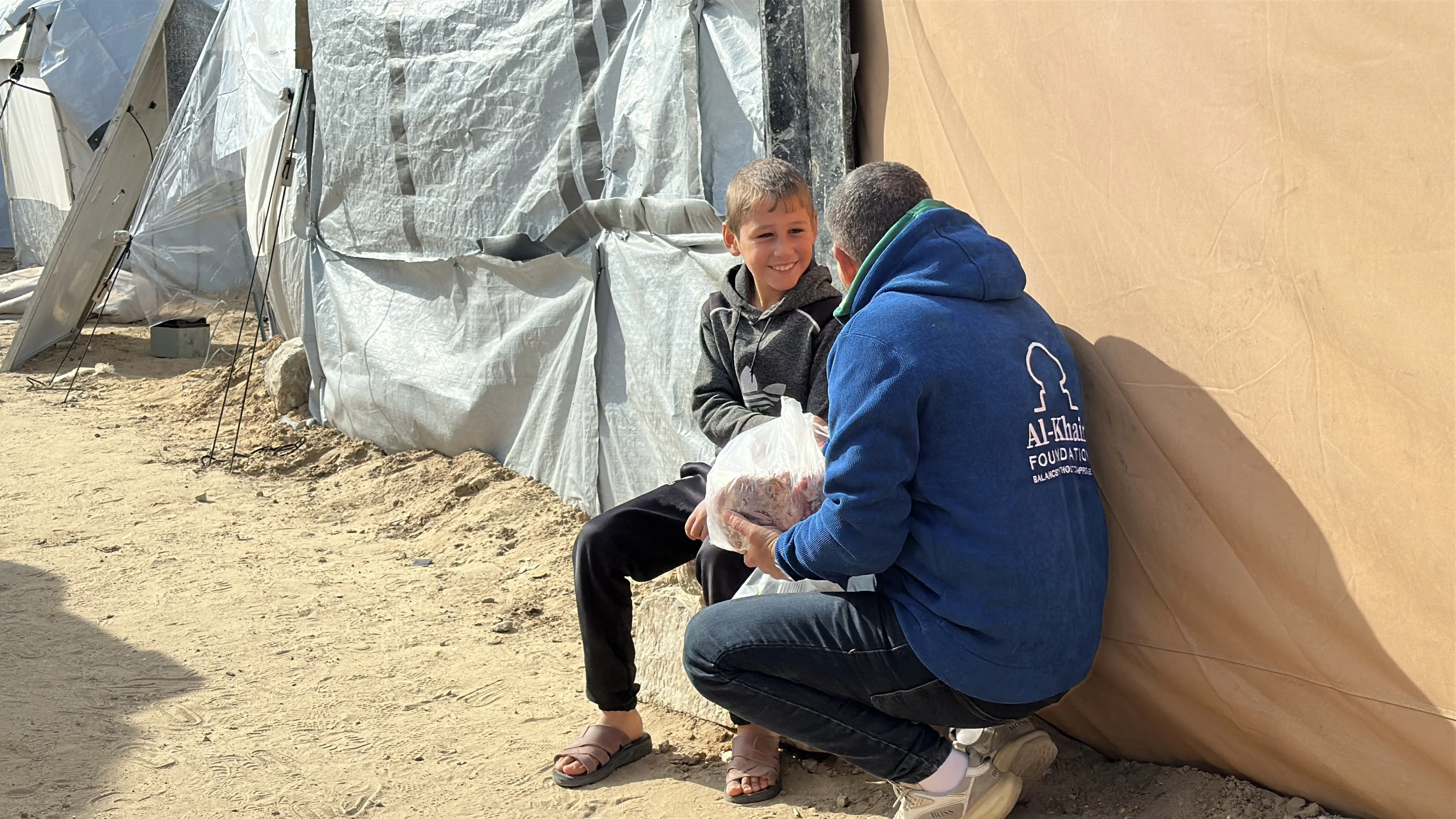
The Hajj season offers every believer an opportunity to strengthen spiritual and social bonds. Those unable to attend can still participate through charity, feeding the needy, and supporting the poor, embodying the spirit of sacrifice and social solidarity that these days instill in the community.
Remembrance, Takbeer, and Fasting
Believers should increase the remembrance of Allah in general, and specifically the Takbeer, from the first day of Dhu al-Hijjah until the afternoon of the last day of Tashreeq.
Fasting during the nine days is highly recommended, especially on the Day of Arafah for non-pilgrims, as it expiates the previous and coming year’s sins.
Righteous Deeds and Charity
The first ten days provide an opportunity to maximize spiritual and worldly impact: performing obligatory acts properly, increasing voluntary acts, maintaining ties of kinship, honoring parents, and helping those in need—all deeds multiplied in reward.
Charity and generosity during these days enhance sustenance, spread joy, and convey a strong message of social solidarity and compassion.
Special Opportunities for Worship and Closeness to Allah
- Perfecting and maintaining obligatory duties before engaging in voluntary ones.
- Increased supplication, sincere repentance, and turning back to Allah.
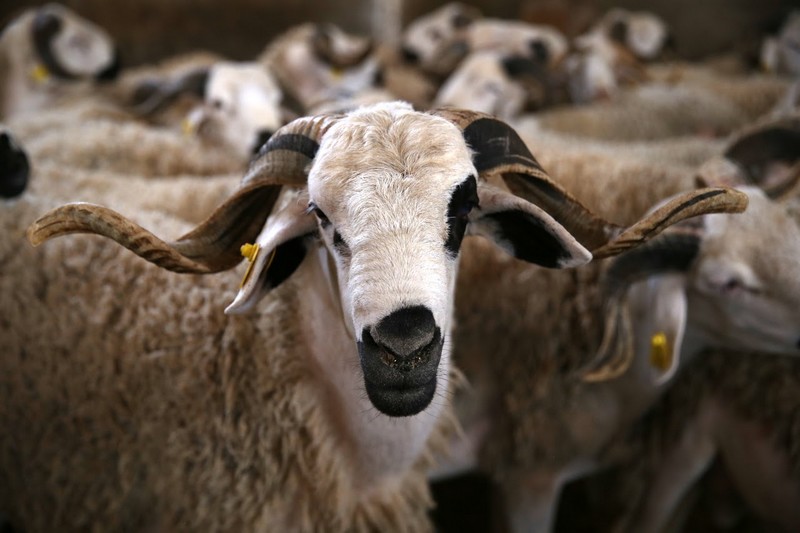
- Performing Qurbani for those able, connecting hearts to Allah and spreading goodness in the community.
- Abundance in good deeds and helping those in need during these honored days increases both blessings and rewards.
Impact on the Soul and Community
Observing these days strengthens the connection with Allah and enriches society with goodness. Righteous deeds performed now leave lasting effects, build social bonds, instill hope in the hearts of the needy, and transform these days into moments of mercy, giving, and genuine joy.